
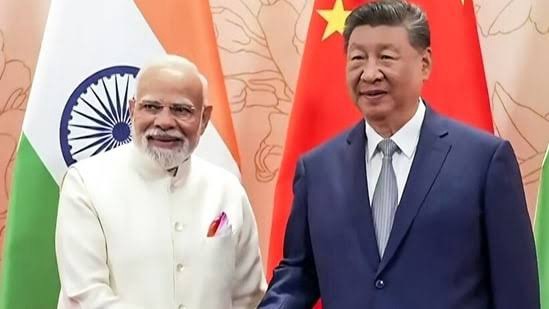
After years of tension and silence, Prime Minister Narendra Modi and Chinese President Xi Jinping finally met in Tianjin on the sidelines of the SCO Summit. This was PM Modi’s first trip to China in over seven years, and it carried both symbolism and substance. The meeting marks a potential reset in relations between the world’s two most populous nations.
Here are the 8 key takeaways you should know:
1. A Long-Awaited Reset
This meeting itself was historic. Modi’s first China visit in seven years sent a clear signal that New Delhi and Beijing are ready to talk again, despite years of mistrust following border clashes. Both leaders greeted each other warmly, setting the tone for a reset.
2. Strategic Autonomy, Loud and Clear
Modi underlined that India’s relationship with China should be based on strategic autonomy—not dictated by third countries. Xi echoed this, calling for both nations to focus on development rather than rivalry. It was also a subtle message to the U.S. and others watching closely.
3. Border Peace as the Foundation
Both leaders acknowledged the importance of stability along the Himalayan border. Modi said an “atmosphere of peace and stability” has returned due to recent management agreements. Xi added that border disputes shouldn’t define the entire relationship.
4. Resuming Flights, Visas, and Yatras
In a practical step forward, both sides agreed to restart direct flights, relax visa restrictions, and resume the Kailash Mansarovar Yatra. These moves show a willingness to rebuild people-to-people ties after years of disruption.
5. From Rivals to Development Partners
The two leaders described India and China as “partners, not rivals.” This was one of the most quoted lines from the meeting, showing a shift in language from confrontation to cooperation.
6. The “Dragon and Elephant” Must Walk Together
Xi used a powerful metaphor, saying the “dragon and elephant must come together” to lead the Global South. Both leaders stressed their nations have a shared responsibility in shaping a more balanced, multipolar world order.
7. Looking Ahead to BRICS 2026
Modi invited Xi to attend the 2026 BRICS Summit in India, a gesture meant to keep dialogue alive at the highest level. Xi welcomed the invite, signaling willingness to engage in multilateral forums alongside India.
8. A Pragmatic, Not Perfect, Partnership
While the meeting was warm, not all issues are solved. China’s ties with Pakistan, infrastructure projects in disputed areas, and India’s concerns about trade imbalances remain sensitive. But the key message was clear: both nations want to manage differences without letting them spiral into conflict.
Why This Meeting Matters
This Modi–Xi dialogue is more than just optics—it’s a pragmatic attempt to steady one of the world’s most important relationships. With global politics shifting, tariffs rising, and supply chains being reshaped, both India and China know that cooperation—at least in some areas—is better than prolonged hostility.
For now, it’s a cautious but hopeful new chapter: less confrontation, more conversation.