
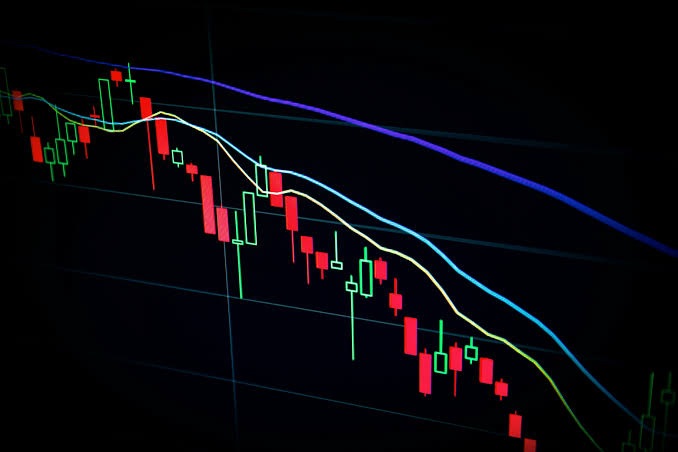
Every time the stock market falls, the same panic spreads—“Should I sell? Is my money safe? What if this crash never recovers?”
If you’ve been thinking these questions lately, you’re not alone. Let’s clear the confusion in a simple Q&A format so you know exactly what to do with your money when the market is red.
1. Why is the stock market going down?
Markets don’t move in straight lines. They go up, down, and sideways because of:
Global news (wars, elections, oil prices, interest rates). Company earnings not matching expectations. Fear and panic selling by investors.
Remember: short-term falls are normal—they’re part of the market’s heartbeat.
2. Should I panic when my portfolio is in red?
No. Falling prices don’t mean permanent losses unless you sell in fear. Historically, markets always recover, but impatient investors lock in losses by exiting too early.
Think of it like a house—if real estate prices dip this month, would you sell your house in panic? Same logic applies to stocks.
3. What does a market fall mean for long-term investors?
For long-term investors, it’s usually good news:
You get to buy quality stocks or mutual funds cheaper. Every SIP installment buys you more units. Over time, downturns reduce your average cost and increase long-term wealth.
4. What about my SIPs? Should I stop them?
Biggest mistake = pausing SIPs during downturns.
SIPs are designed to benefit from volatility. When markets are low, SIPs automatically buy more. Stopping them means you miss the compounding advantage.
5. How do smart investors use a market dip?
They see dips as opportunities, not threats.
Keep investing regularly. Increase SIPs slightly if cash flow allows. Avoid checking portfolio daily—it only fuels anxiety.
6. What if the market keeps falling for months?
Markets often stay low for a while before bouncing back. That’s where patience and asset allocation matter:
Keep an emergency fund so you don’t need to sell investments during downturns. Diversify—stocks, bonds, gold, real estate—so you’re never overexposed.
7. What’s the bigger picture?
Every crash in history—dot-com bust, 2008 crisis, Covid-19 fall—looked scary at the time. But in hindsight, those who stayed invested ended up with significant gains.
The rule is simple:
Short-term fall = noise. Long-term trend = growth.
Finally
A falling stock market isn’t a sign of doom—it’s a test of patience. If you stay calm, continue SIPs, and even add more during downturns, the same red market that scares others can build your wealth faster.
In short: don’t fear the fall—use it to rise.